All posts by Leanne Thomson

Sao Tome Passport for Digital Nomads Unlocking Global Opportunities

The Sao Tome Passport: A Gateway for Digital Nomads

If you’re a digital nomad seeking flexibility and global connectivity, the Sao Tome Passport for Digital Nomads may just be the ticket you need. This passport opens doors to numerous opportunities for remote workers around the world. In this article, we will explore why this passport is gaining popularity among digital nomads, the advantages it offers, and how to obtain one.

Understanding Digital Nomadism

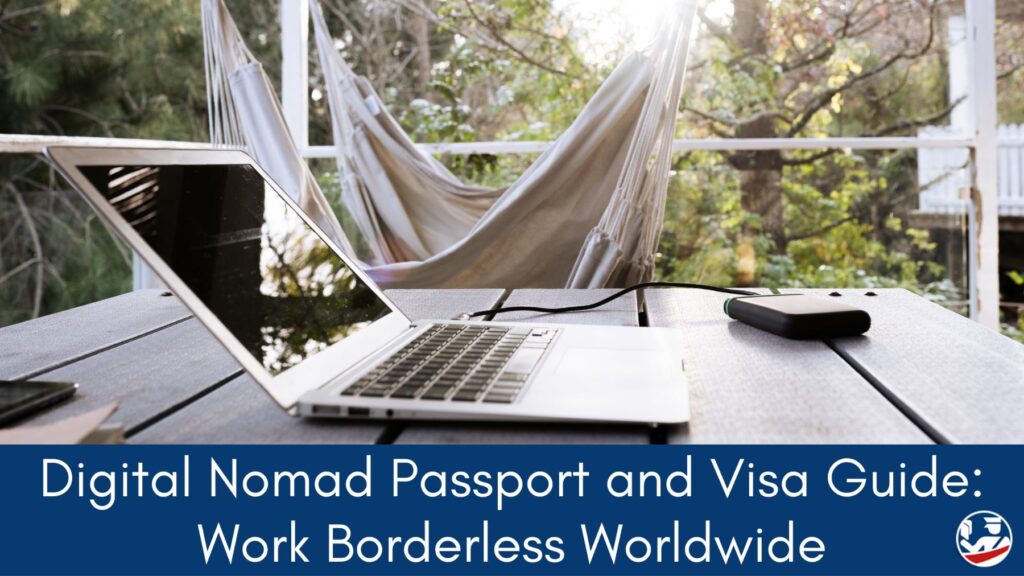
Digital nomadism has become a revolutionary lifestyle for many individuals who wish to break free from traditional office jobs. With the rise of technology, many professionals can work from anywhere as long as they have a stable internet connection. Digital nomads travel the world while maintaining their careers, enjoying flexible schedules, and exploring diverse cultures. However, traveling frequently brings challenges relating to visas, taxation, and residency, making the need for a reliable passport even more important.
Why Choose a Sao Tome Passport?

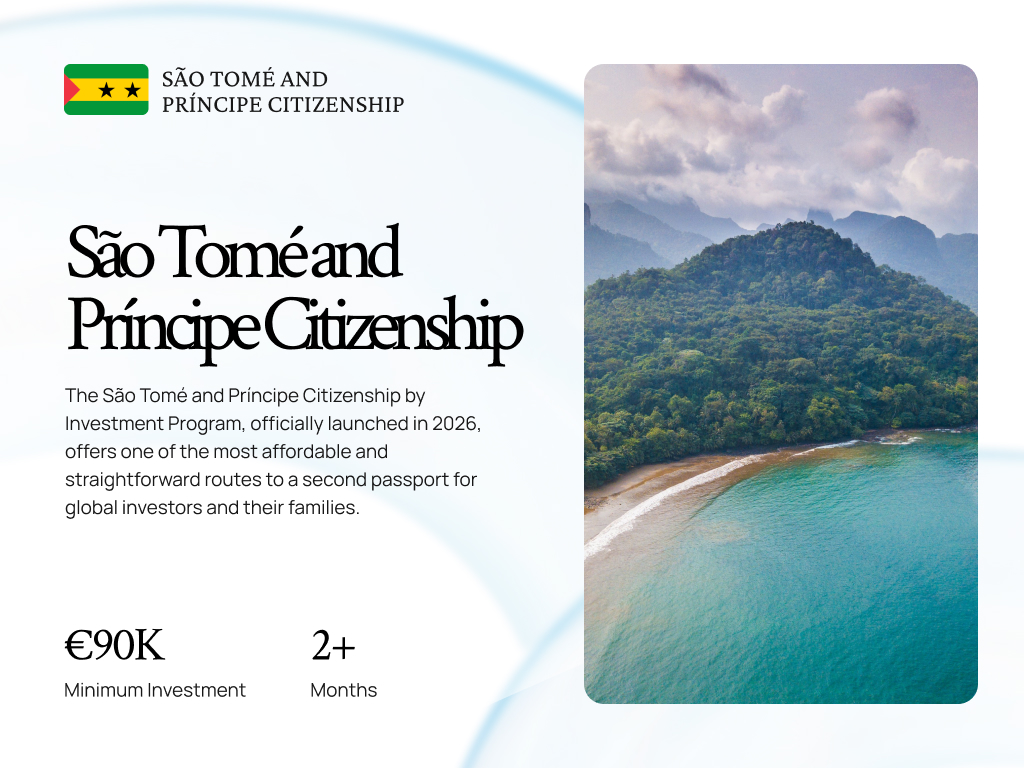
Sao Tome and Principe, an island nation off the western coast of Central Africa, is not just known for its stunning beaches and rich biodiversity; it’s also becoming an attractive option for digital nomads. The Sao Tome Passport is gaining traction among those looking for viable options to live and work abroad, thanks to its unique blend of benefits:

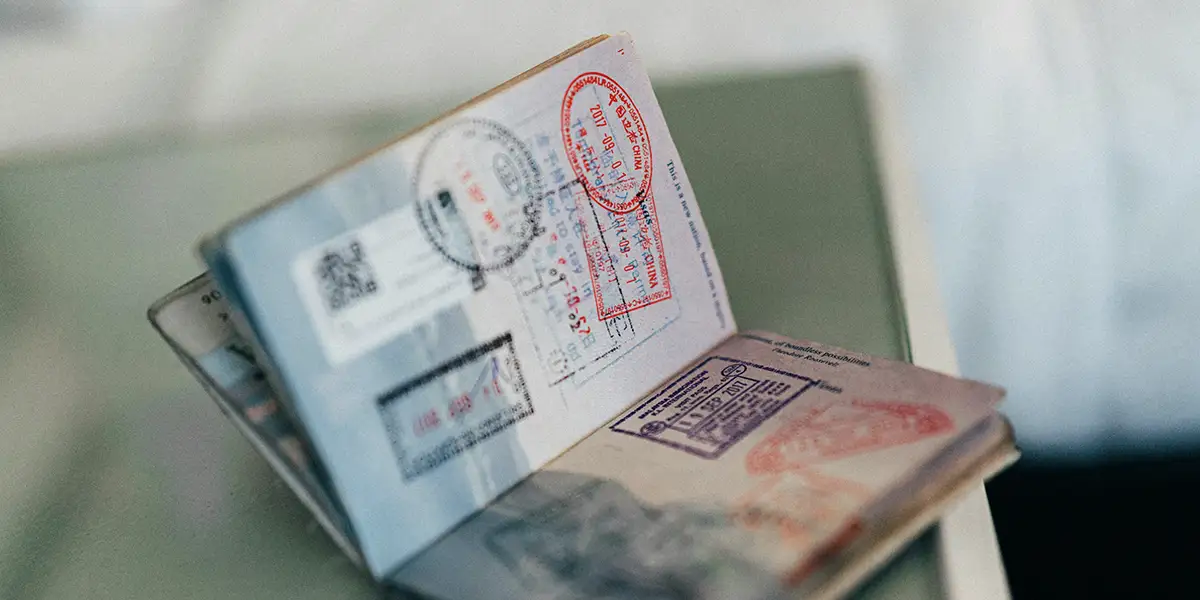
  1. Visa-Free Travel: Holders of the Sao Tome Passport benefit from visa-free or visa-on-arrival access to many countries around the world, including parts of Europe, Africa, and the Caribbean. This can simplify travel plans significantly for digital nomads.
  2. Tax Benefits: Depending on the circumstances, residing in Sao Tome can offer favorable tax conditions for expatriates, making it an attractive destination for those looking to maximize their earnings while working remotely.
  3. Beautiful Environment: The picturesque landscapes and mild climate of Sao Tome and Principe provide a serene setting for work and relaxation, with ample opportunities for outdoor activities.
  4. Cultural Exposure: Living in a different country exposes digital nomads to new cultures, languages, and networks, enhancing personal and professional growth.

How to Obtain a Sao Tome Passport

Obtaining a Sao Tome Passport is an accessible process for many digital nomads and expatriates. While specific requirements may vary, the general steps involved typically include:

  • Residency Requirement: Candidates usually must apply for residency in Sao Tome and Principe. This can be achieved through various visas, including those for work, study, or retirement.
  • Application Submission: Once the residency requirement is met, applicants can submit a passport application to the relevant authorities. This process may require submitting documents such as proof of residency, identification, and financial stability.
  • Duration of Processing: Processing times may vary, so applicants should be prepared for a waiting period before receiving the passport.

Living in Sao Tome: What to Expect

For many digital nomads, moving to Sao Tome and Principe can be a unique experience that offers both challenges and rewards:

1. Cost of Living

The cost of living in Sao Tome is relatively low compared to Western nations, making it an economical choice for remote workers. Accommodation, food, and transportation can be surprisingly affordable, allowing digital nomads to stretch their budgets further.

2. Internet Connectivity

Reliable internet access is a priority for digital nomads. While urban areas generally have good connectivity, it’s essential to research specific locations and make plans to ensure your work won’t be disrupted.

3. Community of Expatriates

Networking with othe
r expatriates and digital nomads is crucial for creating a support system. There are community groups, informal meet-ups, and online platforms where remote workers can connect and share experiences.

Conclusion: The Future is Bright for Digital Nomads

The Sao Tome Passport presents a valuable opportunity for digital nomads looking to establish a base in a picturesque environment while enjoying the benefits of global travel. With its advantageous visa policies, tax benefits, and community support, Sao Tome and Principe is rapidly becoming a top choice for remote workers. As the world continues to embrace the digital nomad lifestyle, the demand for flexible travel options will only grow, making the Sao Tome Passport a strategic tool for adventurous individuals ready to embark on a journey of discovery.

Ultimately, the decision to obtain a Sao Tome Passport should align with your personal and professional goals. With careful planning and consideration, this passport can serve as a bridge to a fulfilling lifestyle rich in experiences and opportunities.
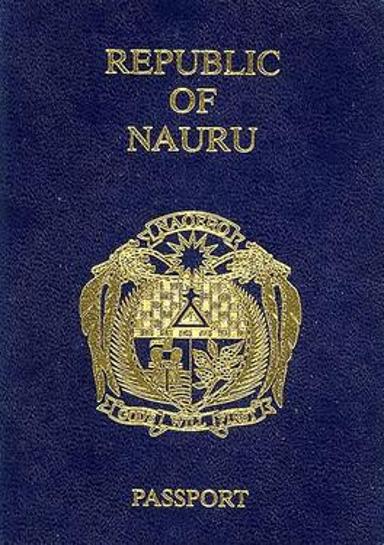
Nauru Citizenship for Families An Opportunity for a New Beginning

The prospect of obtaining Nauru Citizenship for Families opens up a world of possibilities for families seeking a fresh start and new opportunities. Nauru, a small island country in the central Pacific, is known for its natural beauty and welcoming community. With a stable political environment and a commitment to economic growth, Nauru offers an appealing option for families looking to relocate. In this comprehensive guide, we will explore the benefits, requirements, and processes involved in acquiring citizenship in this beautiful island nation.

The Allure of Nauru: A Brief Overview

Nauru is the third smallest country in the world, both in size and population, making it an intimate and close-knit community. Its beautiful beaches, rich history, and unique culture are just a few of the factors that draw families to this nation. Nauru’s economy has historically been based on phosphate mining, but in recent years, it has diversified to include tourism and various service industries. This diversification is paving the way for a more resilient economy, which can benefit new residents.

Why Choose Nauru Citizenship for Your Family?

Choosing a new country for your family’s residency and citizenship is a significant decision that can impact their future. Here are some compelling reasons why families should consider acquiring Nauru citizenship:

  • Stability and Safety: Nauru has a low crime rate and a stable political environment, ensuring safety for families.
  • Quality of Life: With access to stunning natural landscapes, outdoor activities, and a welcoming community, families can enjoy a high quality of life.
  • Education Opportunities: Nauru’s commitment to education ensures that children can access quality schooling in a nurturing environment.
  • Healthcare Access: Nauru provides healthcare services that cater to residents, ensuring families have access to essential medical care.
  • Pathway to Better Opportunities: Nauru citizenship can provide families with new opportunities for employment and entrepreneurship.

Eligibility Requirements for Nauru Citizenship

To be eligible for citizenship in Nauru, families must meet specific criteria set by the Nauruan government. The requirements may vary depending on the family’s circumstances, but common eligibility factors include:

  1. Legal Residency: Applicants must have lived in Nauru for a certain period, typically ranging from 5 to 10 years.
  2. Financial Stability: Demonstrating financial stability is crucial, as families must show they can support themselves without relying on the government.
  3. Good Character: Applicants must provide evidence of good character, including a clean criminal record.
  4. Language Proficiency: Proficiency in English may be required, as it is one of the primary languages spoken in Nauru.
  5. Family Connection: In some cases, families with existing connections to Nauru citizens may find the process more accessible.

The Application Process: Steps to Citizenship

The journey to obtaining Nauru citizenship involves several steps, which can be broken down as follows:

1. Gather Necessary Documentation

Families must compile relevant documents, including proof of residence, financial statements, and identification. It’s essential to ensure all documents are up to date and accurate to facilitate a smooth application process.

2. Submit Application

Once all documents are ready, families can submit their application to the Nauruan government. This process may vary depending on the specific requirements set out by immigration authorities.

3. Interview Process

Applicants might be required to attend an interview as part of the application review process. This is typically to assess eligibility and confirm the information provided.

4. Awaiting Approval

After the application and interview stages, families must wait for a decision from the Nauruan government. This period can vary, so patience is key.

5. Renouncement of Previous Citizenship (if applicable)

Depending on the laws of the family’s home country, they may be required to renounce their existing citizenship to obtain Nauruan citizenship. It’s crucial to research this aspect beforehand.

Living in Nauru: An Insight into Family Life

Life in Nauru offers a unique blend of culture, community, and natural beauty. Families can expect a laid-back lifestyle with ample opportunities to explore the island’s stunning landscapes and engage with local traditions. Some highlights of living in Nauru include:

  • Community Integration: Families can participate in community activities, festivals, and events, fostering connections with local residents.
  • Outdoor Adventures: Nauru’s pristine beaches, lagoon, and lush scenery provide countless recreational opportunities for families to bond.
  • Cultural Experiences: Immersing in Nauru’s rich culture and history can be both educational and enjoyable for all family members.
  • Supportive Environment: Families will find a supportive environment through new friendships and community networks.

Conclusion: A Bright Future Awaits

Obtaining Nauru citizenship can transform a family’s life by opening the door to new opportunities and experiences. With stability, community, and a high quality of life, Nauru stands out as an attractive destination for families seeking a fresh start. By understanding the requirements and processes involved, families can take meaningful steps towards a brighter future in this beautiful island nation.

Understanding OFAC Sanctions Defense A Comprehensive Guide 948494343

Navigating the complexities of OFAC Sanctions Defense can be challenging for businesses and individuals alike. The Office of Foreign Assets Control (OFAC), a division of the U.S. Department of the Treasury, administers and enforces economic and trade sanctions against targeted foreign countries and regimes, terrorists, international narcotics traffickers, and those involved in activities related to the proliferation of weapons of mass destruction. Understanding OFAC regulations is essential for any entity engaged in international trade or finance, as violations can result in severe penalties and repercussions. In this article, we will delve into the essential aspects of OFAC sanctions, their implications, and the strategies for an effective defense against potential violations.

What Are OFAC Sanctions?

OFAC sanctions are legal restrictions that prohibit certain transactions and activities with designated countries, entities, and individuals. These sanctions are imposed to protect national security and foreign policy objectives of the United States. They can take various forms, including comprehensive sanctions that prohibit almost all trade and economic activity with a country, as well as targeted sanctions that focus on specific individuals or entities.

Types of OFAC Sanctions

OFAC sanctions can be classified into several categories:

  • Comprehensive Sanctions: Prohibits all economic activity with a designated country, such as North Korea and Iran.
  • Targeted Sanctions: Focuses on specific individuals or entities designated for their involvement in unlawful activities, such as terrorism or drug trafficking.
  • Sectoral Sanctions: Restricts specific sectors of a country’s economy, such as finance or energy, without imposing comprehensive sanctions.
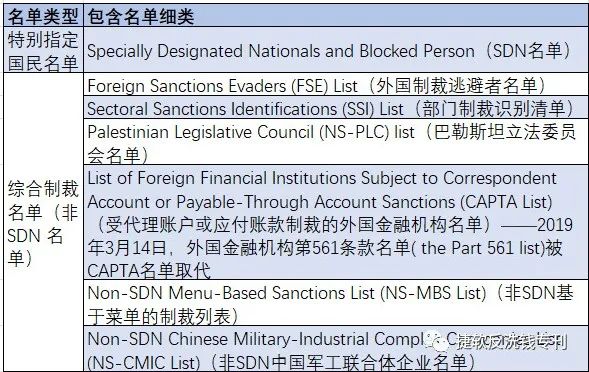
  • List-Based Sanctions: Involves sanctions applied to individuals or entities on various OFAC lists, including the Specially Designated Nationals and Blocked Persons List (SDN List).

Consequences of OFAC Violations

Violating OFAC regulations can have severe consequences, including substantial financial penalties, criminal charges, and reputational damage. OFAC has

the authority to impose fines amounting to millions of dollars depending on the severity of the violation. Furthermore, individuals and businesses may also face civil lawsuits and loss of access to the U.S. financial system, which can cripple operations.

Understanding Compliance Requirements

Compliance with OFAC regulations is crucial for avoiding sanctions violations. Businesses must implement effective compliance programs that include:

  • Risk Assessment: Identifying potential OFAC risks within operations, supply chains, and relationships.
  • Screening Procedures: Regularly screening customers, vendors, and business partners against OFAC lists to ensure compliance.
  • Training and Awareness: Providing training for employees on OFAC regulations and compliance best practices.
  • Reporting and Record Keeping: Maintaining accurate records of all transactions and promptly reporting any potential violations to OFAC.

How to Defend Against OFAC Sanctions?

If an individual or entity is accused of violating OFAC sanctions, legal defense is paramount. Here are some strategies for an effective OFAC sanctions defense:

  1. Engage Legal Expertise: Consult with attorneys who specialize in OFAC regulations and sanctions defense to navigate the complexities of the case.
  2. Document Everything: Keep comprehensive records of all transactions and communications that may relate to the alleged offense.
  3. Prove Lack of Knowledge: Demonstrating that the violation occurred without your knowledge or intent can be a critical component of a defense strategy.
  4. Cooperate with Authorities: Working with OFAC during investigations can sometimes lead to mitigated penalties or settlements.

Conclusion

The implications of OFAC sanctions are far-reaching and can significantly impact businesses and individuals engaging in international trade. An understanding of OFAC regulations, compliance requirements, and effective defense strategies is essential to navigate potential legal challenges successfully. By taking proactive steps to ensure compliance and being prepared to defend against violations, entities can protect themselves against the severe consequences associated with OFAC sanctions.

Understanding Diffusion Notice Removal A Comprehensive Guide 949074875

Understanding Diffusion Notice Removal: A Comprehensive Guide

In the complex world of international law enforcement, a Diffusion Notice Removal can be a crucial step for individuals wrongfully accused or facing undue legal pressure. This guide provides an in-depth look at what diffusion notices are, the processes involved in their removal, and the implications for those affected.

What is a Diffusion Notice?

A diffusion notice is a request for cooperation issued by INTERPOL to its member countries, allowing them to locate and provisionally arrest an individual based on law enforcement needs. Diffusions are less formal than notices, such as Red Notices, and can be issued for various reasons including witness testimony, alerts about a person’s whereabouts, or requests for information.

The Importance of Diffusion Notices

Diffusion notices serve a vital role in international law enforcement, facilitating cross-border police cooperation and enhancing the ability of law enforcement agencies to track down fugitives. However, their very nature means they can sometimes lead to wrongful detention or surveillance of innocent individuals. This highlights the importance of understanding how to navigate the process of removal when an individual finds themselves unfairly impacted by such notices.

Reasons for Seeking Diffusion Notice Removal

Individuals may seek to have a diffusion notice removed for several reasons:

  • Wrongful Accusation: Individuals who believe they are falsely accused of a crime may want to clear their name.
  • Mistaken Identity: Sometimes, individuals are mistakenly identified, leading to the issuance of a diffusion notice.
  • Lack of Evidence: If the allegations against someone are unsupported by adequate evidence, they may seek removal.
  • Change in Circumstances: In some cases, new information may come to light that warrants the removal of a diffusion notice.

The Process of Diffusion Notice Removal

The process of removing a diffusion notice can be intricate and often requires legal expertise. Below are the general steps taken during the removal process:

  1. Assessment of the Notice: The first step involves reviewing the specific diffusion notice to understand its context, jurisdiction, and details.
  2. Gathering Evidence: Collecting relevant evidence that supports the case for removal is critical. This may include witness statements, documented alibis, or any legal documentation demonstrating the individual’s innocence.
  3. Legal Consultation: Consulting with a legal expert who specializes in international law and INTERPOL procedures ensures that the correct legal steps are taken.
  4. Filing a Request: A formal request for removal must be submitted to INTERPOL or the appropriate national authority, detailing reasons for the removal and providing supporting evidence.
  5. Follow-up: After submission, monitoring the request’s progress is essential, as the removal process can take time and may require additional information or legal representation.

Legal Considerations

The legal landscape surrounding diffusion notices and their removal is often complex. Individuals may find that the specific laws governing extradition and international agreements between countries complicate the issue. Understanding the legal ramifications in both the country that issued the diffusion and the country where the individual resides is essential for a successful removal.

Emotional and Social Impact

Beyond the legal implications, being subject to a diffusion notice can have significant emotional and social consequences. Individuals may experience anxiety, stress, and social stigma, which can affect their personal and professional lives. The fear of wrongful arrest or public scrutiny can lead to a sense of isolation and frustration. Thus, it is vital for those affected to seek support from legal professionals as well as mental health resources to address these challenges during the removal process.

Prevention and Awareness

Awareness around the implications of diffusion notices is crucial for individuals who may find themselves at risk. Engaging in proactive measures, such as monitoring potential legal issues or unjust accusations, can help mitigate the impact of a diffusion notice. Education on the subject can also aid in gathering support from community organizations or legal advocacy groups.

Conclusion

Diffusion notice removal is a complex yet essential process that can significantly impact an individual’s life. Understanding the nature of diffusion notices, the reasons for seeking removal, and the procedures involved is crucial for those who find themselves affected. By navigating the process effectively and seeking the appropriate legal assistance, it is possible to clear one’s name and regain personal freedom.

Understanding the Cost of a Vanuatu Passport 949618921

Understanding the Cost of a Vanuatu Passport

The Vanuatu passport price has become a focal point for individuals seeking citizenship by investment in the beautiful island nation. Known for its stunning landscapes and welcoming culture, Vanuatu offers not only a tropical paradise but also a pathway to greater global mobility. However, the financial requirements for obtaining a passport through Vanuatu’s citizenship program can sometimes be confusing. This article aims to clarify the costs associated with acquiring a Vanuatu passport and the factors that can influence these prices.

Overview of the Vanuatu Citizenship by Investment Program

Vanuatu’s Citizenship by Investment Program was established in 2017 and has quickly garnered attention for its relatively straightforward application process and the advantages it offers. Eligible applicants can obtain citizenship through a government-approved donation to the Vanuatu Development Support Program (VDSP). By contributing to the nation’s development projects, investors and their families can secure Vanuatu citizenship and, consequently, a passport that grants visa-free travel to numerous countries.

Basic Costs Involved

The main cost involved in the application process for a Vanuatu passport is the required donation. As of 2023, the minimum contribution to the VDSP is approximately:

  • Single Applicant: USD 130,000
  • Family of Four: USD 180,000
  • Additional Family Members: Approximately USD 25,000 per person

In addition to the donation, applicants should also anticipate associated fees which can vary depending on the service providers. These fees may include:

  • Due diligence fees
  • Application processing fees
  • Legal fees for assistance with the application
  • Costs related to document preparation and certification

It is important to note that while the government donation is the most significant component of the cost, these additional fees can accumulate, potentially increasing the total amount spent to secure a Vanuatu passport.

Additional Investments and Costs

For those who are considering broader investment opportunities, Vanuatu also offers alternative pathways to citizenship that involve real estate. The minimum investment required to qualify for citizenship through real estate is approximately USD 200,000 in an approved property. This option may be more appealing for individuals looking to establish a long-term presence in the country or who prefer a tangible investment over a cash donation.

Understanding the Value

The Vanuatu passport is highly valued for several reasons aside from its cost. Individuals considering the investment should weigh the advantages against the financial commitment involved:

  • Global Mobility: Vanuatu offers visa-free access to over 130 countries, including the Schengen Area, United Kingdom, and Russia.
  • Tax Benefits: Vanuatu is known for its favorable tax environment, including no income tax and capital gains tax, making it an attractive destination for expatriates.
  • Stability and Security: As a peaceful nation, Vanuatu provides security and stability for its residents.
  • Family Inclusion: The citizenship program allows for immediate family members to be included in the application, making it a suitable option for families looking to relocate.

The Application Process

The process to obtain a Vanuatu passport through investment is designed to be efficient. Here is a general overview of the steps involved:

  1. Choose a Licensed Agent: It is mandatory to work with a licensed agent approved by the Vanuatu government. Research reputable agents who can guide you through the application process.
  2. Gather Documentation: Collect all necessary documents, such as passports, birth certificates, marriage certificates, and proof of financial resources.
  3. Submit Application: Complete and submit the application along with the required documentation and fees.
  4. Due Diligence Checks: The government will conduct thorough due diligence checks on all applicants and family members.
  5. Receive Approval: Once approved, you will be issued a Certificate of Citizenship, allowing you to apply for the passport.
  6. Pay Government Fees: Pay any remaining fees associated with the passport application.
  7. Receive Passport: Finally, receive your Vanuatu passport, officially granting you citizenship.

Final Thoughts

In conclusion, the Vanuatu passport price encompasses various elements that need to be carefully considered before making an investment. While the initial costs related to the donation and additional fees may seem high, the numerous benefits provided by holding a Vanuatu passport offer significant advantages in terms of global mobility, financial security, and access to a robust lifestyle in a tropical paradise. For those looking to diversify their citizenship portfolio or simply secure a better future for their families, Vanuatu presents a compelling option.

Understanding the Cost of a Vanuatu Passport A Comprehensive Guide

The Cost of Obtaining a Vanuatu Passport

The Vanuatu passport price is an essential consideration for those looking to explore citizenship options in this beautiful island nation. Vanuatu, known for its stunning landscapes and welcoming communities, offers a unique citizenship-by-investment program. In this article, we will delve into the various costs, benefits, and processes involved in obtaining a Vanuatu passport.

Why Choose Vanuatu for Citizenship?

Vanuatu is an increasingly popular destination for individuals seeking a second passport due to its unique offerings. The nation boasts a favorable tax regime, political stability, and visa-free access to numerous countries around the world. Furthermore, obtaining a Vanuatu passport provides people with an opportunity to create a better future for themselves and their families.

The Investment Requirements

The cost of a Vanuatu passport primarily comes from the investment required. Currently, the main pathway to obtaining Vanuatu citizenship is through the Development Support Program (DSP). The minimum contribution accepted under this program for the primary applicant is approximately USD 130,000. This amount increases when you include dependents or additional family members.

Detailed Breakdown of Costs

The overall expenses for securing a Vanuatu passport can be broken down into the following categories:

  • Government Fees: The fee structure is tiered, depending on how many individuals are applying. For the main applicant, the fee typically starts from USD 130,000. Additional charges may apply for dependents, which can be around USD 50,000 per person.
  • Processing Fees: Application processing fees often range from USD 5,500 to USD 10,000 depending on the service provider. These fees cover the administration and due diligence checks associated with the application.
  • Legal Fees: Engaging a legal representative or a consultancy often adds to the overall cost. Professionals usually charge a fee of USD 5,000 to USD 10,000 to assist with the application process.

Additional Costs to Consider

Besides the main investment and processing fees, there are other costs involved in obtaining a Vanuatu passport that applicants should prepare for:

  • Due Diligence Fees: This is a mandatory fee for background checks and is essential for all applicants. It can range from USD 2,000 to USD 5,000.
  • Travel Expenses: While not directly related to the passport, applicants may need to visit Vanuatu during the application process, leading to additional travel and accommodation costs.
  • Maintenance Fees: Launched in 2020, these annual fees apply to maintain citizenship. It is essential for applicants to be aware of these ongoing expenses.

The Benefits of Holding a Vanuatu Passport

Investing in a Vanuatu passport comes with numerous advantages, making it a worthwhile consideration for many individuals:

  • Visa-Free Travel: A Vanuatu passport allows visa-free access to over 130 countries, including the Schengen Area, UK, and Russia, enhancing travel opportunities significantly.
  • Global Mobility: The passport provides a secure alternative for those living in countries with unstable political environments, facilitating easier global travel.
  • Tax Benefits: Vanuatu is known for its tax neutrality, with no personal income tax, capital gains tax, or inheritance tax, making it attractive for business and personal financial planning.

The Application Process

Applying for a Vanuatu passport through the DSP involves several steps:

  1. Choose a Partner: Select a licensed agent or consultancy firm that specializes in Vanuatu citizenship applications.
  2. Prepare Documentation: Gather the necessary documents, including identification, financial statements, and proof of investment, for submission.
  3. Submit Application: Send your application along with the required fees to the Vanuatu government through your chosen partner.
  4. Due Diligence Checks: The government will conduct due diligence checks on all applicants.
  5. Receive Citizenship: Once approved, you will receive your citizenship certificate and Vanuatu passport.

Conclusion

Acquiring a Vanuatu passport involves significant financial planning and understanding of the associated costs. However, for those who seek the benefits of a second citizenship, the investment can prove to be worthwhile. With a combination of beautiful tropical living, favorable investment regulations, and robust global mobility, Vanuatu remains an appealing choice for a second passport. As you consider this option, carefully evaluate all costs and engage with a certified partner to ensure smooth processing of your application.

Understanding OFAC Delisting The Path to Sanctions Removal

Understanding OFAC Delisting: The Path to Sanctions Removal

If you or your business has been impacted by sanctions, understanding the OFAC (Office of Foreign Assets Control) delisting process is paramount. For individuals or entities listed on the Specially Designated Nationals (SDN) list, navigating the complexities of sanctions law can be daunting. Legal expertise can provide the necessary guidance to facilitate this process. That’s why OFAC Delisting (SDN List Removal) OFAC Lawyers can be vital in helping you understand your options and rights.

What is OFAC Delisting?

The term “OFAC delisting” refers to the process by which an individual or entity is removed from the SDN list maintained by the U.S. Treasury’s Office of Foreign Assets Control. Being listed on this list means that a person or entity is subjected to specific economic and trade sanctions due to their involvement in activities such as terrorism, drug trafficking, or other unlawful behaviors. Thus, delisting is critical for regaining access to U.S. financial markets and conducting international business.

The Importance of SDN List Removal

Being placed on the SDN list can have substantial repercussions. It can damage a business’s reputation, limit its ability to transact with banks and other financial institutions, and restrict access to critical resources. For individuals, it can prevent access to jobs and financial systems. Consequently, pursuing OFAC delisting can restore normalcy and facilitate economic freedom.

Who Can Request Delisting?

Typically, the individual or entity that is on the SDN list can request removal. This process involves submitting a request to OFAC, providing evidence that rebuts the grounds for listing. Furthermore, representatives such as lawyers specializing in OFAC regulations can play an essential role in crafting a compelling argument for delisting.

The Delisting Process Explained

The delisting process may seem complicated, but it can be broken down into several key steps:

1. Identify the Grounds for Listing

The first step involves determining the basis on which the individual or organization was listed. This includes understanding the specific activities or associations that led to the sanctions. OFAC typically lists individuals and entities because of their connections to specific illicit activities.

2. Gather Evidence

After identifying the grounds for listing, the affected party must collect compelling evidence that demonstrates the reasons for delisting. This evidence might include changes in business practices, an absence of ties to criminal organizations, or documentation proving compliance with legal standards.

3. Submit a Petition

The next step is to formally submit a petition for delisting. This petition requires meticulous attention to detail and compliance with OFAC’s guidelines. Legal assistance can be instrumental in ensuring that all required information and documentation are included.

4. Wait for OFAC’s Review

Once the petition is submitted, OFAC will conduct a review of the case. This review involves examining all provided documentation, assessing the validity of the claims made, and determining whether sanctions should remain in effect.

5. Respond to OFAC’s Feedback

If OFAC requests additional information or clarification, it’s essential to respond promptly and thoroughly. This aspect of the process often benefits significantly from legal counsel to ensure that the provided responses address OFAC’s concerns adequately.

6. Final Decision

Lastly, OFAC will render a decision. If the petition is successful, the individual or entity will be removed from the SDN list. However, if the request is denied, there may be avenues for appeal or further action that can be pursued.

Legal Assistance in the Delisting Process

The OFAC delisting process is challenging and can be fraught with legal complexities. Utilizing the expertise of lawyers who specialize in sanctions law can provide numerous advantages:

  • Expertise: OFAC lawyers understand the legal landscape and can help navigate the intricacies of sanctions.
  • Strategy Development: They can assist in developing a strong strategy tailored to individual circumstances.
  • Documentation Support: Legal professionals can ensure that all necessary documentation is prepared and submitted correctly.
  • Advocacy: Lawyers can advocate on behalf of their clients with OFAC to enhance the chances of a successful delisting.

Conclusion

Understanding OFAC delisting and the processes surrounding SDN list removal is crucial for anyone affected by sanctions. The implications of being listed can be serious, but the right approach, backed by legal expertise, can facilitate a successful resolution. Whether you are an individual or a business, seeking guidance from experienced OFAC Lawyers can be a pivotal step toward regaining your rights and freedoms in the global economy.

Nauru Passport Access to Singapore What You Need to Know

Nauru Passport Access to Singapore: A Comprehensive Guide

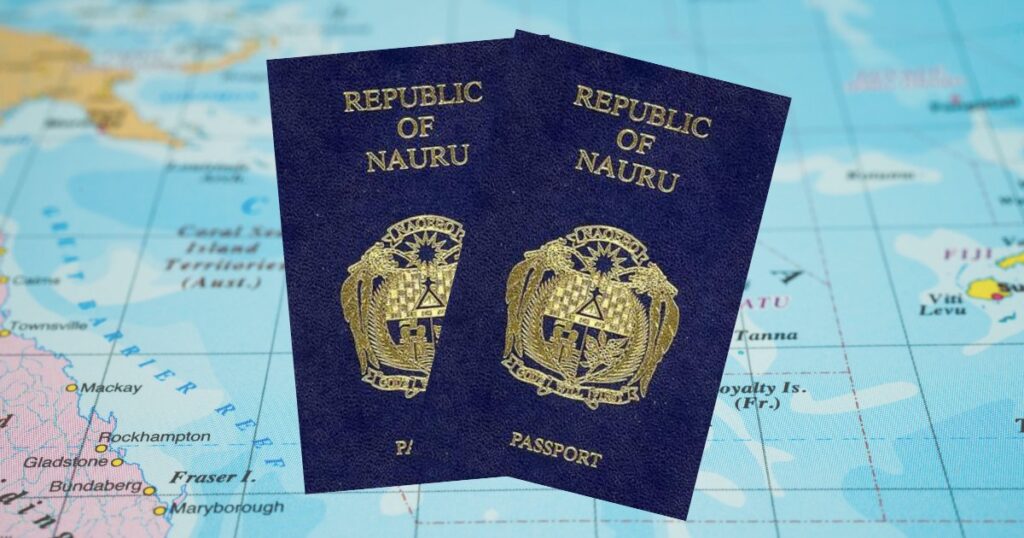
The Nauru passport offers its holders a variety of travel advantages, including accessibility to several countries without a visa. Among these nations, Singapore stands out due to its strategic location and status as a global financial hub. This article will delve into the essential information regarding access to Singapore with a Nauru passport, including entry requirements, visa policies, and useful travel tips. Whether you are visiting for leisure, business, or transiting through, understanding these aspects is crucial for a hassle-free experience. For those looking for more details on obtaining a Nauru Passport Singapore Access Nauru Passport, we’ve got you covered!

Understanding the Nauru Passport

The Nauru passport is the official travel document issued by the Republic of Nauru, an island country located in Micronesia in the Central Pacific. It allows Nauruan citizens to travel internationally and provides various benefits, including visa-free or visa-on-arrival access to numerous countries. With a population of around 10,000, Nauru is one of the smallest countries in the world, and its passport is relatively modest in terms of global recognition. However, it holds certain strategic advantages that facilitate international travel.

Singapore’s Visa Policy for Nauru Passport Holders

Singapore maintains a relatively liberal visa policy, allowing citizens of several countries to enter without a visa for short stays. For Nauruan passport holders, the situation is favorable. As of the latest information available, Nauru citizens are allowed to enter Singapore for tourism or business purposes without a visa for up to 30 days. This makes Singapore an attractive destination for Nauruan travelers looking to explore this vibrant city-state.

Entry Requirements

While Nauruan passport holders can enter Singapore without a visa, there are specific entry requirements they must meet to ensure a smooth passage through immigration. These requirements include:

  • Valid Passport: Ensure your Nauru passport is valid for at least six months beyond your intended date of entry into Singapore.
  • Return Ticket: You may be required to show a confirmed return ticket or onward travel arrangement when entering Singapore.
  • Sufficient Funds: Demonstrating that you have sufficient funds to support your stay is often necessary.
  • Accommodation Details: Be prepared to provide information regarding your accommodation during your stay in Singapore.

Health and Safety Regulations

Travelers should also be aware of any health and safety regulations in place, especially in light of the ongoing impact of the COVID-19 pandemic. Before traveling, check the latest updates concerning health regulations, testing requirements, and potential quarantine measures. It’s advisable to visit official government resources or the website of the Singapore Ministry of Health for the most current information.

Customs Regulations

As with many destinations, Singapore has specific customs regulations in place. When traveling from Nauru, ensure that you are aware of what items are permissible and what restrictions exist. Some general guidelines include:

  • Strict regulations against the import of illegal drugs, chewing gum (with some exceptions), and certain wildlife products.
  • Limits on the amount of alcohol and tobacco you can bring into the country.
  • Declare any goods that exceed the duty-free allowances.

Travel Tips for Nauruan Diplomats

Traveling to a new country always comes with a learning curve, particularly for first-time visitors. Here are some essential tips for Nauruan passport holders traveling to Singapore:

  • Familiarize Yourself with Local Customs: Understanding local customs and etiquette can enhance your travel experience and help you avoid unintentional offenses.
  • Use Public Transport: Singapore has an efficient and reliable public transportation system. Consider using it for ease of movement around the city.
  • Currency Exchange: Ensure you are aware of the current exchange rates and have access to Singapore Dollars (SGD) for your expenses.
  • Stay Informed: Keep yourself updated on local news and regulations that may affect your travel plans.

Conclusion

In summary, the Nauru passport opens doors for easy access to Singapore, allowing for short stays without the need for a visa. This facilitates numerous opportunities for travelers from Nauru, whether they are visiting for tourism, business, or exploring connections. By staying informed about entry requirements, health regulations, and local customs, Nauruan passport holders can enjoy a seamless travel experience in this dynamic city-state.

As international travel continues to evolve, being prepared and knowledgeable will ensure that your journey is as smooth as possible. Remember to consult official resources for the most accurate and up-to-date information regarding travel from Nauru to Singapore.

The Ultimate Guide to Vanuatu Passport for Digital Nomads

The Vanuatu Passport for Digital Nomads has garnered considerable attention in recent years. As remote work becomes increasingly popular, individuals are seeking options that allow them to work from anywhere in the world. The Vanuatu passport program offers a unique solution for those looking to embrace a nomadic lifestyle without the constraints of a traditional job. This article will explore what the Vanuatu Passport entails, its benefits for digital nomads, and the process of obtaining one.

What is the Vanuatu Passport?

Vanuatu is a beautiful archipelago in the South Pacific, known for its stunning beaches, vibrant culture, and friendly locals. The country has established a citizenship by investment program, allowing foreign nationals to obtain Vanuatu citizenship—and, consequently, a Vanuatu passport—by making a significant financial contribution to the nation. This passport enables holders to enjoy visa-free travel to over 120 countries, including the Schengen Area, the UK, and many others.

Why Choose Vanuatu for Digital Nomadism?

As a digital nomad, the primary concerns often revolve around mobility, lifestyle flexibility, and the ability to establish a favorable tax residency. Vanuatu checks all these boxes:

  • Tax Benefits: Vanuatu has no income tax, capital gains tax, or inheritance tax, making it an attractive option for individuals looking to optimize their tax situation.
  • Strategic Location: Situated in the South Pacific, Vanuatu provides excellent access to various countries in Asia, Australia, and the Pacific Islands. This geographic advantage enables quick travels to a plethora of work and leisure destinations.
  • Tranquil Lifestyle: The island’s serene environment and natural beauty are ideal for remote work. Digital nomads can enjoy a peaceful, distraction-free setting surrounded by nature.

Benefits for Digital Nomads

The Vanuatu passport offers numerous benefits specifically tailored to the needs of digital nomads:

1. Visa-Free Travel

One of the most appealing aspects of a Vanuatu passport is the ability to travel visa-free to many countries. This flexibility simplifies travel planning and allows you to explore new markets and cultures without the hassle of obtaining multiple visas.

2. Easy Application Process

The process for obtaining a Vanuatu passport is relatively straightforward compared to others. With proper documentation and financial investment, applicants can receive their citizenship within a few months.

3. Constant Internet Connectivity

Vanuatu offers reliable internet services in most urban areas, which is crucial for digital nomads whose work relies on connectivity. Several cafes and co-working spaces have sprung up in the capital, Port Vila, catering to the remote working community.

4. Vibrant Expat Community

As more digital nomads seek the tropical lifestyle, Vanuatu has developed a thriving expatriate community. This network offers support, collaboration opportunities, and social gatherings, making it easy to forge connections.

How to Obtain a Vanuatu Passport

To acquire a Vanuatu passport, interested individuals must follow a series of steps:

  1. Choose an Authorized Agent: The Government of Vanuatu requires applicants to work with an authorized agent to facilitate their application.
  2. Investment Contribution: There are specific investment options available, such as the Development Support Program, requiring a minimum contribution. The exact amount may vary based on family size and other factors.
  3. Document Preparation: Applicants must provide various documents, including identification, proof of funds, criminal background checks, and health certificates.
  4. Submit Application: Once all documents are prepared, the authorized agent will submit the application to the Vanuatu government on your behalf.
  5. Receive Passport: After approval, you will receive your Vanuatu passport, granting you citizenship and all its benefits.

Considerations for Digital Nomads

While the Vanuatu passport program presents numerous advantages, there are essential factors to consider:

1. Financial Investment

The program requires a significant upfront investment, which may not be feasible for everyone. It’s vital to evaluate your financial situation and the potential return on investment.

2. Residency Requirements

Though Vanuatu does not require you to live there full-time, spending some time in the country will help you familiarize yourself with local culture and regulations.

3. Legal and Tax Obligations

Ensure compliance with your home country’s tax laws and legal requirements. While Vanuatu offers a tax-friendly environment, it’s crucial to understand the implications of your new citizenship.

Conclusion

The Vanuatu Passport for Digital Nomads presents an unprecedented opportunity for those looking to enhance their lifestyle, maximize mobility, and explore international markets. With its attractive tax policies, visa-free travel, and serene living environment, Vanuatu enables digital nomads to thrive personally and professionally. If you’re ready to take the plunge into a new chapter of your life, the Vanuatu passport might just be the gateway to your dreams.

The Fundamentals of Asylum and International Protection

The Fundamentals of Asylum and International Protection

As the world becomes more interconnected, the issues surrounding asylum and international protection have reached critical importance. Many individuals are forced to flee their home countries due to persecution, conflict, or other dire circumstances. The legal framework surrounding asylum is complex, often requiring the expert assistance of professionals, such as a Asylum & International Protection Human Rights Lawyer, to navigate these challenging waters. This article delves into the fundamentals of asylum and international protection, focusing on their significance, the legal framework that governs them, and the support systems in place for refugees and asylum seekers.

Understanding Asylum

Asylum is a form of international protection granted to individuals who have fled their home country due to persecution. This persecution must be based on race, religion, nationality, membership in a particular social group, or political opinion. The primary goal of asylum is to provide refuge and safety to those who can demonstrate a genuine fear of return to their home country.

The process of applying for asylum typically begins when an individual arrives in a new country and expresses their intention to seek protection. This process can vary significantly from country to country, with different legal requirements and rules governing how claims are assessed. In many cases, the asylum seeker must provide substantial evidence to support their fear of persecution, which can include personal testimony, country reports, and expert opinions.

The Legal Framework of Asylum

International law plays a critical role in regulating asylum. The 1951 Refugee Convention and its 1967 Protocol are the cornerstone documents that define the rights of refugees and the legal obligations of states. Article 1 of the Convention explicitly states that a refugee is someone who, due to a well-founded fear of persecution, is unable or unwilling to return to their country of nationality.

Moreover, the principle of non-refoulement, also found in these international agreements, prohibits countries from returning asylum seekers to territories where they face serious threats to their life or freedom. This right is fundamental in ensuring that individuals are protected from persecution and violation of their human rights.

International Protection: Broader Context

While asylum specifically caters to those fleeing persecution, international protection encompasses a broader array of humanitarian assistance and legal safeguards for individuals and groups at risk. This includes not only refugees but also internally displaced persons (IDPs), stateless individuals, and victims of human trafficking.

International protections may involve securing temporary shelters, access to basic needs like food and healthcare, and providing legal assistance. The United Nations High Commissioner for Refugees (UNHCR) is a leading agency in this domain, working tirelessly to protect the rights and well-being of those who are forced to flee their homes.

The Process of Seeking Asylum

The asylum application process can often be daunting and lengthy. Here’s a brief overview of the typical stages involved:

  1. Application Submission: The asylum seeker must submit their application to the appropriate government agency designated to handle asylum requests. This usually includes a detailed account of their reasons for seeking asylum.
  2. Interview: Many countries require an interview where the applicant must provide their personal testimony and clarify any inconsistencies in their application.
  3. Decision: After reviewing the application and considering all evidence presented, the asylum office will make a determination. If granted, the individual can stay and obtain legal residency. If denied, they typically have the right to appeal.

The Role of Human Rights Lawyers

In navigating the complex landscape of asylum and international protection, human rights lawyers play a pivotal role. They provide essential legal advice and representation, helping clients understand their rights and responsibilities throughout the asylum process. Their expertise is vital for adequately presenting claims, countering rejections, and ensuring that clients’ voices are heard.

Human rights lawyers also engage in advocacy efforts, pushing for improved policies and stronger protections for refugees and asylum seekers. Their work often extends beyond the legal realm, incorporating social justice initiatives that aim to raise awareness about the challenges faced by vulnerable populations.

Challenges Faced by Asylum Seekers

Despite the legal protections in place, asylum seekers often face significant challenges, including:

  • Lack of Information: Many asylum seekers may not fully understand the process or their rights due to language barriers or limited access to information.
  • Detention: In some countries, asylum seekers are held in detention facilities while their claims are processed, which can lead to severe mental and emotional distress.
  • Re-traumatization: The process of recounting traumatic experiences during interviews or hearings can cause psychological harm to individuals who have already endured significant hardships.
  • Racism and Discrimination: Asylum seekers often face prejudice and discrimination, which can hinder their integration into society.

The Importance of Community Support

Community support plays a crucial role in aiding asylum seekers as they navigate the challenges of relocating to a new country. Local organizations and advocacy groups often provide critical resources, including legal assistance, social services, and emotional support. Building a strong support network can significantly improve the integration experience for asylum seekers.

Moving Forward: The Future of Asylum and International Protection

The global landscape concerning asylum and international protection is evolving. With growing numbers of displaced individuals due to climate change, political conflict, and socioeconomic factors, it is essential for nations to adapt their policies and practices to meet these challenges. Collaborative efforts, both at national and international levels, are necessary to create holistic solutions that ensure the protection of human rights for all, regardless of their nationality or circumstance.

As the society grapples with these pressing issues, the fight for equitable treatment and the safety of those seeking asylum must continue, driven forward by informed public discourse, legal expertise, and a commitment to humanitarian principles.